
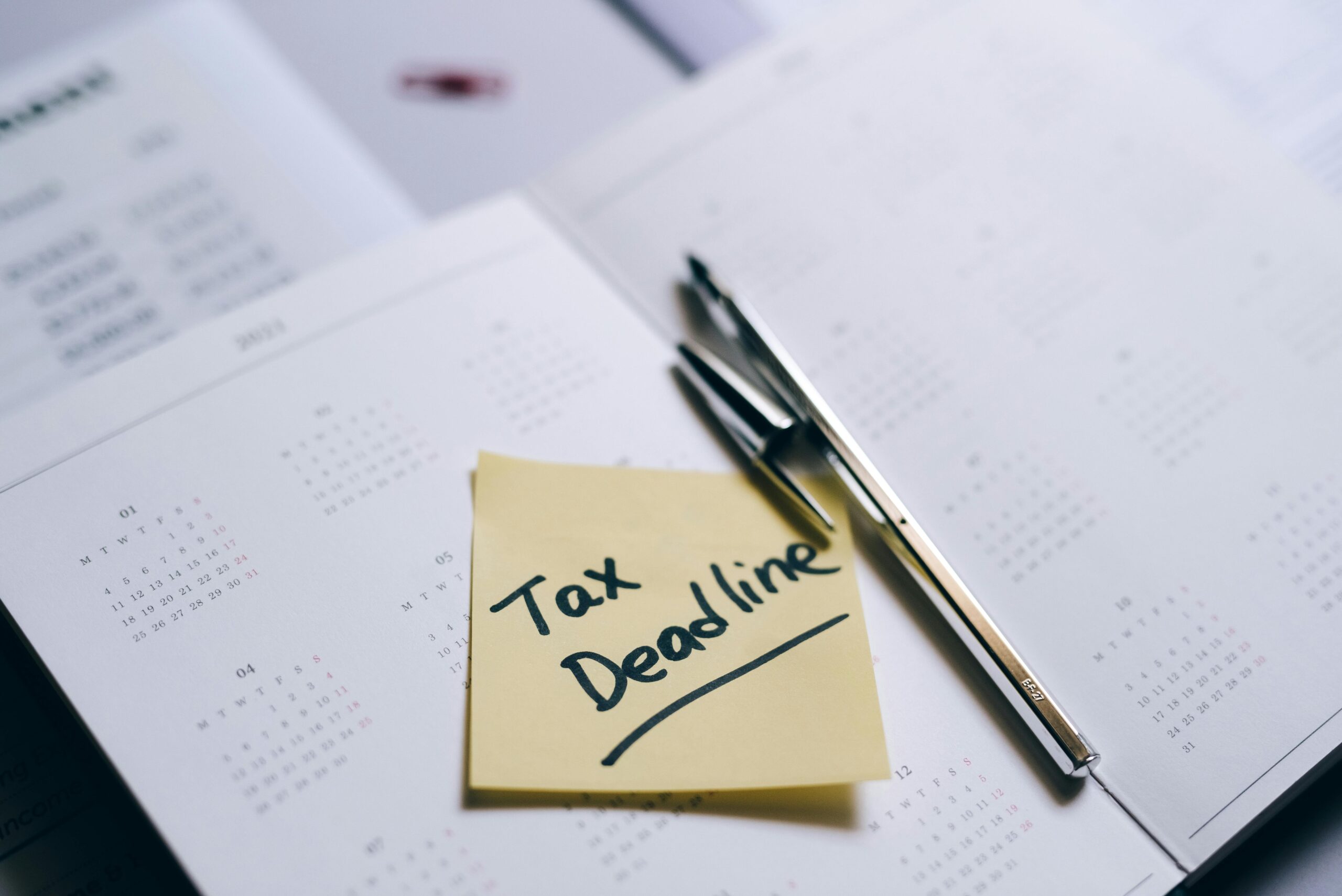
As the financial year winds down, most business owners are juggling a mix of planning, catch-up work, and a little bit of stress. It is tempting to push tax tasks aside, but this is actually the best moment to tighten your strategy, cut back on surprises, and give your business a clean start for the year ahead. A simple year-end business tax checklist can help you spot opportunities, tidy up the loose ends, and make smarter decisions before deadlines hit.
This is where KAN Tax steps in. Our team supports businesses throughout Australia by cutting through the confusion, breaking down the rules and keeping the process simple. With clear advice and practical support, KAN Tax helps you stay compliant while getting more value out of every year-end decision.
12 Year-End Tax Planning Tips For Business Owners In Australia:
1. Review your business structure
Take a moment to confirm that your current structure still suits your goals. A setup that worked when you started may not be ideal now. Companies, trusts, and sole trader structures each carry different tax outcomes, asset protection levels, and admin requirements. If your business has grown, added new income streams, or taken on more risk, this review can prevent future tax headaches.
2. Get your books up to date
Before you make any year-end decisions, make sure your bookkeeping is clean. Reconcile bank accounts, match invoices, check payroll accuracy, and fix any outstanding issues. A tidy set of records gives you a reliable base to plan from and avoids last-minute pressure as 30 June approaches.
3. Maximise your deductions
Look at any expenses you can bring forward into the current financial year. This can include office supplies, rent, repairs, subscriptions, and professional fees. If the work or benefit relates to your business, chances are it can be deducted. Just ensure you have proper documentation and that the expense is genuinely incurred for business purposes.
4. Make the most of asset write-offs and depreciation
Check the current rules around instant asset write-off and temporary full expensing (if still available in that financial year). Buying eligible assets before 30 June can deliver valuable tax savings and help you reinvest in the business. If you have older assets, update your depreciation schedule to make sure everything is claimed correctly.
5. Complete your stocktake
If your business holds stock, a year-end stocktake is essential. Identify slow-moving, damaged, or obsolete items that can be written down or written off. This can reduce your taxable income and give you a clearer view of what is actually selling.
6. Review payroll and superannuation
Make sure all employee information is correct, especially within Single Touch Payroll. Confirm super contributions are paid early enough to be counted as a deduction this year. Classify workers correctly so you are not at risk for employee contractor errors, which are a common ATO focus area.
7. Consider the timing of income and expenses
Depending on your cash flow and profit levels, you may be able to defer income to next year or bring forward allowable expenses. Timing can influence your tax position, but it needs to be done carefully and within ATO rules. This is where tailored advice becomes especially valuable.
8. Plan how you pay yourself
For company owners, review dividends, directors’ fees, or wages before year-end. Check for Division 7A issues if you have taken money from the company without the correct loan agreements. Early planning can prevent unexpected tax bills and keep your personal and business finances clean.
9. Use carry-forward losses correctly
If your business has tax losses from earlier years, confirm whether you can apply them to reduce the current year income. You will need to meet specific tests for continuity of ownership or the same business activity. This is often overlooked but can make a real difference.
10. Revisit GST, FBT, and logbooks
Do a quick compliance sweep. Reconcile your GST accounts, make sure FBT has been handled properly, and update motor vehicle logbooks if you rely on the logbook method. Even small oversights can add up at audit time.
11. Top up your super
If cash flow allows, consider extra super contributions. Concessional contributions offer tax advantages and help build retirement savings. Check your caps before contributing to avoid penalties.
12. Map out next year early
Use your year-end numbers to forecast the year ahead. Look at expected revenue, major expenses, staffing needs, and tax commitments. Setting up quarterly check-ins with your advisor can help you stay on track instead of scrambling at the end.
However, when year-end tax planning starts to feel overwhelming, focus on organising your records, reviewing key expenses, and listing upcoming obligations to regain control. If it still feels too much, partnering with a professional brings clarity, reduces stress, and helps secure a stronger financial result. KAN Tax guides clients through a structured review of income, expenses, assets, and obligations to shape a clear tax position. Our team helps identify legitimate deductions and ensures records are accurate before the financial year closes. We also explain how each decision affects future performance so owners can plan with confidence. This support makes tax time manageable and reduces the chance of errors.
At KAN Tax, we offer small business tax services, pairing expert advice with practical tools that fit each client’s needs. Our broader work includes professional tax accounting services, and tailored business accounting solutions. As a registered tax agent in Australia, we make sure every submission meets current ATO requirements. Our approach turns year-end planning into a strategic advantage.
Stronger Year-End, Stronger Business: Plan With Purpose
Year-end tax planning is not just about tying up loose ends. It is your chance to strengthen your financial position, reduce unnecessary tax pressure, and step into the new financial year with clarity. When you take the time to review your structure, update your records, and plan your next moves, you give your business a real advantage. These steps may feel small on their own, but together they build a smarter, more resilient approach to managing your tax responsibilities.
If you want guidance that is clear, practical, and tailored to your business, KAN Tax is here to help. Get in touch with us today to streamline your year-end process and make every decision count for the year ahead.